Estimated reading time: 6 minutes
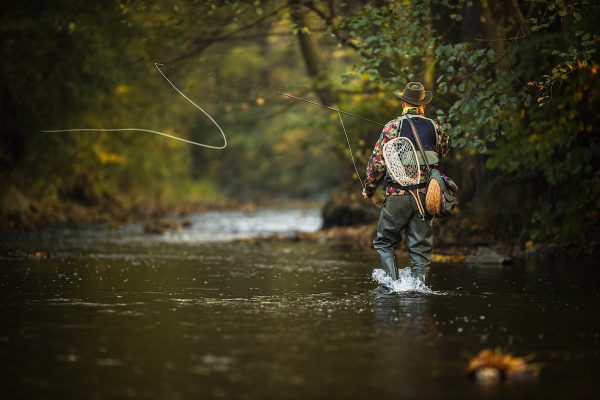
Fly fishing with a nymph is one of the most rewarding ways to target fish on a river, as most of a trout’s diet is actually made up of subsurface insects. Unlike dry fly fishing, where flies sit atop the water, nymphing places the baited lure below the surface, closer to where fish naturally feed. In this article, we’ll explore various nymphing techniques that range from traditional methods to more modern approaches, each with its own unique advantages, depending on the river conditions, fish behavior, and angler skill level.
Classic Indicator Nymphing
Overview: Indicator nymphing is one of the most commonly used techniques for fishing with a nymph, ideal for anglers of all experience levels.
- Gear and Setup: Use a brightly colored strike indicator that attaches to the leader. A weight above the nymph helps the fly sink faster, getting it to the fish’s feeding zone quickly.
- Technique: Cast upstream and allow the fly to drift naturally with the current. The indicator floats on the surface, making it easier to detect bites.
- Benefits: Excellent for beginners, as the indicator provides a visible cue for detecting subtle strikes.
- Ideal Conditions: Works well in medium-to-fast water and is ideal for small to medium rivers.
Key Tips:
- Choose a buoyant indicator like yarn or foam.
- Adjust weight and depth based on the river depth and flow speed.
European Nymphing (Euro Nymphing)
Overview: Popular in Europe and now widely practiced in North America, European nymphing, often called “Euro nymphing” or Czech nymphing, is a contact nymphing technique that eliminates the use of a strike indicator.
- Gear and Setup: Use a long, flexible rod (10-11 feet) and a thin leader to maintain close contact with the fly. Multiple flies can be rigged in a dropper style.
- Technique: Cast slightly upstream and use an underhand technique to maintain a direct connection with the fly. Feel for bites rather than relying on visual cues.
- Benefits: Ideal for faster, pocketed waters where traditional indicator nymphing might be less effective.
- Ideal Conditions: Performs best in smaller rivers or in areas with complex currents.
Key Tips:
- Stay as close to the fly as possible for enhanced sensitivity.
- Adjust weights frequently to achieve proper depth.
High-Stick Nymphing
Overview: High-stick nymphing, often confused with European nymphing, requires you to keep the rod tip high to control the drift.
- Gear and Setup: Use a longer rod, often around 9-10 feet, with a single nymph or a nymph-dropper combo.
- Technique: Keep the rod high, avoiding line contact with the water to reduce drag. This technique works well for short-range casts and allows for more control over depth and drift.
- Benefits: Excellent in turbulent water where fish are closer to the bottom.
- Ideal Conditions: Ideal for fast-moving waters or areas with heavy currents.
Key Tips:
- Maintain steady, controlled movements to keep slack out of the line.
- Avoid “lining” the fish, or casting directly over them, to reduce the chance of spooking them.
Tight-Line Nymphing
Overview: Tight-line nymphing is a great way to feel direct connection and subtle bites without relying on indicators.
- Gear and Setup: Similar to Euro nymphing, but often with heavier weight on the fly and a shorter leader to ensure sensitivity.
- Technique: Cast upstream and allow the nymph to sink naturally, keeping a straight line to the fly. Feel for any subtle movement in the line.
- Benefits: Great for beginners and experts alike, this method helps detect delicate strikes that may go unnoticed otherwise.
- Ideal Conditions: Works best in waters with clear paths or slow-moving eddies.
Key Tips:
- Add split shot weights incrementally to ensure the nymph reaches the appropriate depth.
- Allow the line to swing and straighten out for added coverage at the end of the drift.
Dry-Dropper Technique
Overview: The dry-dropper technique is a hybrid approach that pairs a floating dry fly with a nymph, allowing anglers to cover two feeding zones.
- Gear and Setup: Attach a buoyant dry fly to the main line with a nymph on a short dropper tag below.
- Technique: Cast upstream, using the dry fly as a natural indicator. When a fish rises, it could be taking the dry fly, but a downward pull indicates the nymph.
- Benefits: This dual-purpose setup provides a natural presentation that attracts fish in different feeding zones.
- Ideal Conditions: Great for shallow water or on rivers where fish feed on the surface.
Key Tips:
- Use a light tippet to prevent spooking fish.
- Keep the dropper length short for better control.
Sight Nymphing
Overview: Sight nymphing is an advanced method, best suited for clear rivers with visible fish.
- Gear and Setup: Use a lightweight rod and a simple, short leader to keep things as discreet as possible.
- Technique: Cast just upstream of a visible fish and allow the nymph to drift naturally. Watch the fish’s behavior to detect strikes.
- Benefits: Maximizes stealth and allows for precise presentation.
- Ideal Conditions: Best used in clear, shallow water with visibly feeding fish.
Key Tips:
- Stay low and move slowly to avoid disturbing fish.
- Wear polarized glasses to reduce glare and improve visibility.
Swinging Nymphs
Overview: Swinging nymphs is a technique where the nymph moves across the current rather than drifting with it, often provoking aggressive strikes.
- Gear and Setup: Use a medium-weight rod with a longer leader, and add some weight to keep the nymph near the bottom.
- Technique: Cast across or slightly downstream and allow the nymph to swing in an arc. Strikes often happen at the end of the swing.
- Benefits: Great for covering larger areas and detecting more aggressive fish.
- Ideal Conditions: Best for moderate-to-fast currents where fish might react to a moving target.
Key Tips:
- Use weighted flies or split shot to maintain depth.
- Pause at the end of each swing to give fish time to take the fly.
Conclusion
Mastering different nymphing techniques can make a huge difference in your fly-fishing success. From the beginner-friendly indicator method to the finesse-driven sight nymphing and Euro nymphing approaches, each technique offers unique advantages suited to specific river conditions. Experiment with these methods to develop versatility and improve your ability to adapt to different water types, currents, and fish behaviors. With time, practice, and patience, you’ll find that nymphing is one of the most effective ways to connect with fish and understand their feeding patterns more deeply.