The Barbless Flies Learning Centre
Ten years of trial, error, and the occasional triumph on UK Rivers and Stillwaters.
Ten years of trial, error, and the occasional triumph on UK Rivers and Stillwaters.
The Hawthorn fly (Bibio Marci) is one of the first flies of the season known as ‘Terrestrials’, these are flies which do not originate from the river, but do end up on it as food for Trout. The Hawthorn Fly is sometimes known around the country as The St. Mark’s Fly, because they emerge around St Mark’s Day (25th April) every year. This fly belongs to the Family Bibionidae and there are around 20 different species found throughout the UK.
Fly fishing with indicators has revolutionised how anglers approach both moving and still waters. Whether you’re pursuing trout in a chalk stream or targeting tiger trout in a lake, understanding the nuances of indicator fishing can dramatically improve your success rate. This comprehensive guide explores their types, applications, and how to effectively use indicators across different water conditions.
The leader represents one of the most critical yet often overlooked components in the stillwater angler’s arsenal. While many anglers obsess over fly patterns and casting techniques, the humble leader quietly determines whether that perfectly presented nymph reaches its intended depth, whether that delicate emerger lands without disturbing the surface film, or whether that aggressive retrieve triggers a take from a following trout. In the diverse waters of UK reservoirs, from the gin-clear shallows of Rutland Water to the peaty depths of Welsh highland lakes, understanding leaders becomes not just advantageous but essential for consistent success.
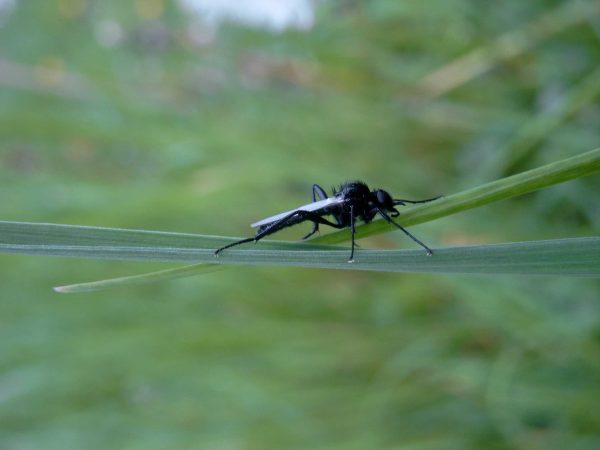



The Hawthorn fly (Bibio Marci) is one of the first flies of the season known as ‘Terrestrials’, these are flies which do not originate from the river, but do end up on it as food for Trout. The Hawthorn Fly is sometimes known around the country as The St. Mark’s Fly, because they emerge around St Mark’s Day (25th April) every year. This fly belongs to the Family Bibionidae and there are around 20 different species found throughout the UK.
Fly fishing with indicators has revolutionised how anglers approach both moving and still waters. Whether you’re pursuing trout in a chalk stream or targeting tiger trout in a lake, understanding the nuances of indicator fishing can dramatically improve your success rate. This comprehensive guide explores their types, applications, and how to effectively use indicators across different water conditions.
The leader represents one of the most critical yet often overlooked components in the stillwater angler’s arsenal. While many anglers obsess over fly patterns and casting techniques, the humble leader quietly determines whether that perfectly presented nymph reaches its intended depth, whether that delicate emerger lands without disturbing the surface film, or whether that aggressive retrieve triggers a take from a following trout. In the diverse waters of UK reservoirs, from the gin-clear shallows of Rutland Water to the peaty depths of Welsh highland lakes, understanding leaders becomes not just advantageous but essential for consistent success.
Ah, fly fishing the thermocline. If you’re reading this, you probably have two things: a sense of curiosity about the mystical “fish highway” called the thermocline, and a sense of humor (or at least, you will need one). The thermocline, for the uninitiated, is a magical water layer in lakes where temperatures suddenly shift. Fish hang out here like it’s a secret club. They may have popped in for the cooler water, the food buffet, or because they enjoy confusing anglers like you and me.
You’ve officially entered a world where catching fish involves mastering complicated knots, spending ridiculous sums of money on tiny fake bugs, and wading into freezing cold water, all while balancing on slippery rocks. But the biggest challenge isn’t finding the right gear or learning to cast without whacking yourself in the back of the head – it’s figuring out where, in all that running water, the fish are actually hiding.
Fly fishing in lakes presents unique challenges and opportunities that differ significantly from river fishing. The stillwater environment of a lake, coupled with complex fluid dynamics, requires anglers to employ different techniques, strategies, and knowledge. Fluid dynamics in lakes—driven by wind, thermal stratification, currents, and other factors—play a crucial role in determining fish behaviour, their feeding patterns, and, ultimately, an angler’s success.