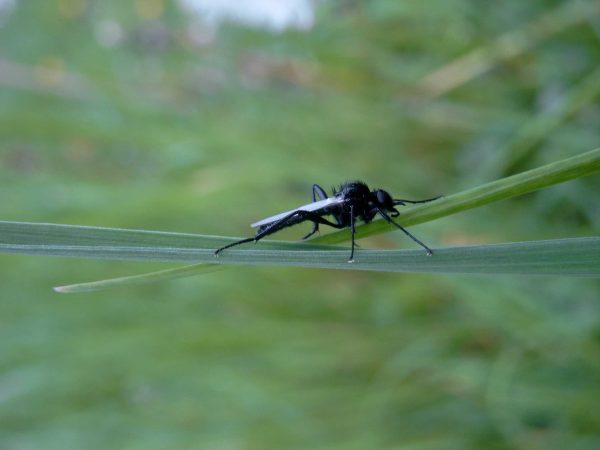
The Hawthorn Fly – All You Need To Know

The Hawthorn fly (Bibio Marci) is one of the first flies of the season known as ‘Terrestrials’, these are flies which do not originate from the river, but do end up on it as food for Trout. The Hawthorn Fly is sometimes known around the country as The St. Mark’s Fly, because they emerge around St Mark’s Day (25th April) every year. This fly belongs to the Family Bibionidae and there are around 20 different species found throughout the UK.
Watercraft: The Art of Reading Water in Spring

Fly fishing with indicators has revolutionised how anglers approach both moving and still waters. Whether you’re pursuing trout in a chalk stream or targeting tiger trout in a lake, understanding the nuances of indicator fishing can dramatically improve your success rate. This comprehensive guide explores their types, applications, and how to effectively use indicators across different water conditions.

The Final Three Feet: Where Stillwater Success is Won or Lost

The leader represents one of the most critical yet often overlooked components in the stillwater angler’s arsenal. While many anglers obsess over fly patterns and casting techniques, the humble leader quietly determines whether that perfectly presented nymph reaches its intended depth, whether that delicate emerger lands without disturbing the surface film, or whether that aggressive retrieve triggers a take from a following trout. In the diverse waters of UK reservoirs, from the gin-clear shallows of Rutland Water to the peaty depths of Welsh highland lakes, understanding leaders becomes not just advantageous but essential for consistent success.

Fly Fishing The Thermocline

Ah, fly fishing the thermocline. If you’re reading this, you probably have two things: a sense of curiosity about the mystical “fish highway” called the thermocline, and a sense of humor (or at least, you will need one). The thermocline, for the uninitiated, is a magical water layer in lakes where temperatures suddenly shift. Fish hang out here like it’s a secret club. They may have popped in for the cooler water, the food buffet, or because they enjoy confusing anglers like you and me.

Fluid Dynamics in Lakes and Its Impact on Fly Fishing

Fly fishing in lakes presents unique challenges and opportunities that differ significantly from river fishing. The stillwater environment of a lake, coupled with complex fluid dynamics, requires anglers to employ different techniques, strategies, and knowledge. Fluid dynamics in lakes—driven by wind, thermal stratification, currents, and other factors—play a crucial role in determining fish behaviour, their feeding patterns, and, ultimately, an angler’s success.

Watercraft: The Art of Reading Water in Summer

Watercraft, the ability to read water and understand the underwater world, separates competent anglers from truly exceptional ones. During the summer months of June, July, and August, when UK waters are at their most complex and challenging, mastering watercraft becomes absolutely critical for consistent success with both wild and stocked trout.

Watercraft: The Art of Reading Water in Late-Autumn & Winter

The late-autumn and winter months across the British Isles represent a fascinating transition in the fly fishing calendar. From October through February, as the traditional trout season closes on rivers, a different world of opportunity opens. River anglers turn their attention to the elegant grayling and various coarse species, while stillwater trout fishing continues unabated, offering those willing to brave the cold some exceptional sport. For those who understand watercraft – the art of reading water conditions, interpreting environmental cues, and adapting to the rhythms of winter – this period offers some of the most rewarding fishing of the year.

Autumn Stillwaters – Top 10 Tips, Techniques & Fly Patterns

Whether you’re targeting wild brown trout on a Yorkshire stream, grayling in the chalk streams of Hampshire, or sea trout returning to Welsh rivers, autumn fishing demands a refined approach. The techniques that served you well in summer may need adjustment, and understanding seasonal patterns becomes crucial for consistent success.

Early Autumn Terrestrial Tactics: River and Stillwater Strategies

Early autumn represents one of the most productive and underutilised periods for terrestrial fly fishing in the UK, offering anglers exceptional opportunities as land-based insects become increasingly active before winter’s arrival. The cooling nights and warm days of September and early October create ideal conditions for terrestrial activity, making this period crucial for both river and stillwater fishing success. Understanding how to effectively deploy terrestrial patterns in these distinct environments requires tailored approaches, specialised techniques, and environment-specific leader configurations that account for the unique challenges each setting presents.

The Psychology Of Fly Selection: When Faith Catches Fish

Picture this: you’re standing waist-deep in your favourite water, watching some bloke fifty yards away haul in his third fish while you haven’t had so much as a nibble. He’s using the same basic setup as you, casting in the same water, yet he’s having the fishing equivalent of Christmas morning, whilst you’re experiencing the piscatorial version of a tax return. What’s going on? The answer, rather inconveniently for those of us who’ve spent fortunes on the latest gear, lies squarely between the ears.

Close
Barbless Flies Limited © Copyright 2026. All rights reserved.
Close